The Woman the Doctors Wouldn't Listen To — Until the Numbers Made Them

Photo: rural Appalachian woman writing in notebook at kitchen table with jars and natural light, via www.shutterstock.com
The Woman the Doctors Wouldn't Listen To — Until the Numbers Made Them
Loretta Mae Combs kept her records in composition notebooks. The kind you buy at a dollar store — black and white marbled covers, college-ruled pages, the spiral binding that catches on everything. She went through dozens of them over the years. Each one filled with dates, names, symptoms, and a meticulous shorthand she'd developed herself because she'd never been taught how researchers were supposed to document things.
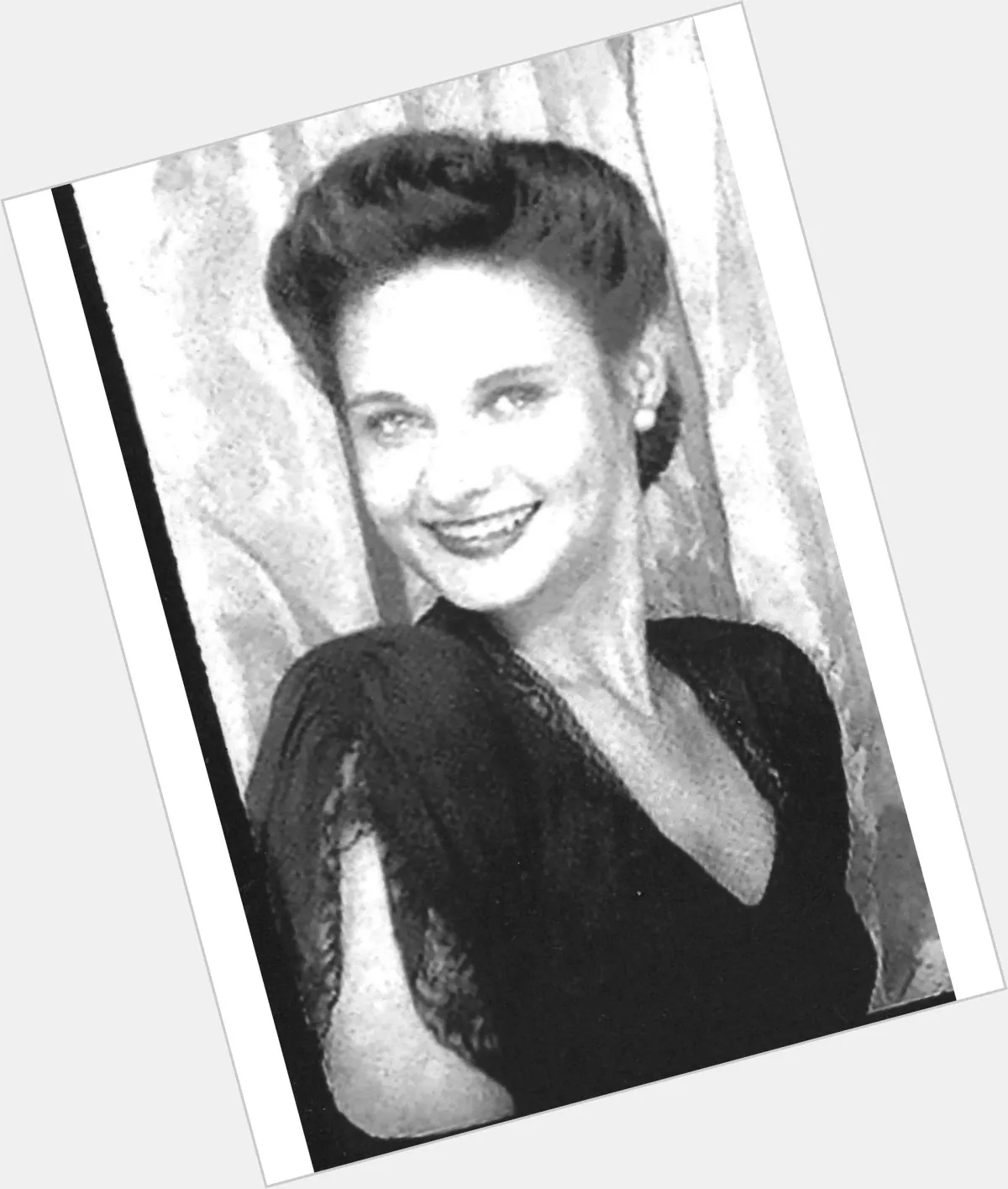 Photo: Loretta Mae Combs, via fanpagepress.net
She wasn't a researcher. She was a beekeeper's daughter from Harlan County, Kentucky, who had watched her mountain community get sicker in ways that didn't quite make sense — and decided, with no particular authority except stubbornness and proximity, to start writing it down.
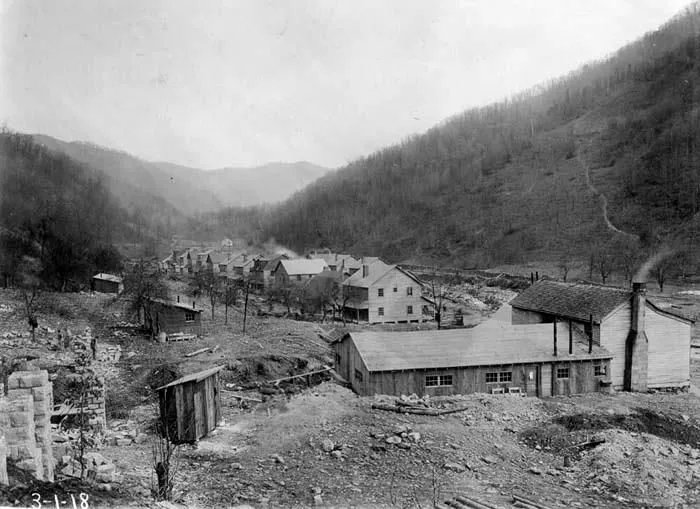 Photo: Harlan County, Kentucky, via i.pinimg.com
What she eventually documented would take the better part of a decade to be taken seriously. When it was, it helped reshape how the United States thinks about one of the most dangerous public health crises of the modern era.
Patterns in the Hollow
Combs grew up in a part of eastern Kentucky where the nearest hospital was a significant drive on roads that turned treacherous in winter, and where the local doctor — if you were lucky enough to have one nearby — was often the first and last word on what ailed you. She had no formal medical training. Her education ended after high school. But she had something that the credentialed world frequently underestimates: she knew her community the way only someone who had lived inside it for forty years could know it.
She started noticing, sometime in the mid-1980s, that certain illnesses in her community weren't behaving the way illnesses were supposed to behave. People were getting antibiotics — often the same ones, prescribed readily and reflexively — and getting better, and then getting sick again. Sicker, sometimes, the second time around. Children with recurring ear infections who cycled through prescriptions without ever quite resolving. Adults with respiratory infections that cleared briefly and then returned with a resistance that hadn't been there before.
She wasn't using the phrase "antibiotic resistance." She didn't have that vocabulary yet. But she was watching something that, to her, had the unmistakable shape of a pattern — and she was writing it down.
The Notebooks Grow
Over the next several years, Combs developed what can only be described as a grassroots epidemiological survey, conducted entirely without institutional support or scientific training. She kept records of illnesses in her community with a consistency and granularity that would later impress researchers who reviewed her work — not because it met formal methodological standards, but because the sheer volume and longitudinal consistency of her observations created a dataset that was genuinely difficult to dismiss.
She tracked who got sick with what, when, what they were prescribed, whether it worked, and what happened next. She cross-referenced family members. She noted seasonal patterns. She flagged cases where the same antibiotic had been prescribed multiple times for the same patient with diminishing apparent effect. She did all of this in her spare time, in composition notebooks, while raising children and helping run the family's small operation on the land her father had kept.
She also started writing letters. To the county health department. To the state health department. To federal health officials. To anyone she could identify who might be in a position to look at what she was seeing and do something about it.
The letters were largely ignored. Some received polite responses. Many received nothing at all. A few generated responses that were less polite — notes suggesting, with varying degrees of directness, that she was not qualified to draw the conclusions she was drawing and that her observations were not a substitute for clinical research.
She kept writing anyway.
The Gap Between the Clinic and the Hollow
What Combs was observing from her kitchen table was, in fact, a real and growing crisis. Antibiotic resistance — the process by which bacteria evolve to survive the drugs designed to kill them, accelerated by overprescription and incomplete treatment courses — was already being discussed in academic and medical circles by the late 1980s. But the conversation was largely happening in research hospitals and journals, among specialists who were tracking the phenomenon in clinical settings.
What those settings couldn't easily capture was what was happening in rural, medically underserved communities — places where prescription patterns were shaped by limited access, high patient demand, and a cultural expectation that a doctor's visit should produce a tangible intervention. Places, in other words, exactly like Harlan County.
Combs wasn't just documenting resistance. She was documenting the conditions that produced it: the reflexive prescribing, the incomplete courses, the return visits that generated new prescriptions rather than new diagnoses. Her notebooks were, in effect, a field study of the pipeline between overprescription and treatment failure, conducted in a population that the formal research apparatus had limited visibility into.
The people closest to the problem were seeing it clearly. The problem was getting anyone farther away to look.
When the Data Caught Up
The shift came gradually, and then faster than anyone expected. By the mid-1990s, antibiotic resistance had moved from a background concern in medical literature to something closer to an alarm. The CDC was tracking it. The WHO was publishing warnings. And researchers who were now actively looking for community-level data were discovering that some of the earliest and most detailed observational records came from unexpected places.
Combs was connected to a public health researcher at the University of Kentucky through a chain of referrals she describes as almost accidental — a county health official who had kept one of her letters, a graduate student following up on a long-shot lead. The researcher who eventually sat down with her composition notebooks spent several days reviewing them. His assessment, shared later in academic contexts, was that her longitudinal observations represented some of the earliest community-level documentation of antibiotic resistance patterns in rural Appalachia.
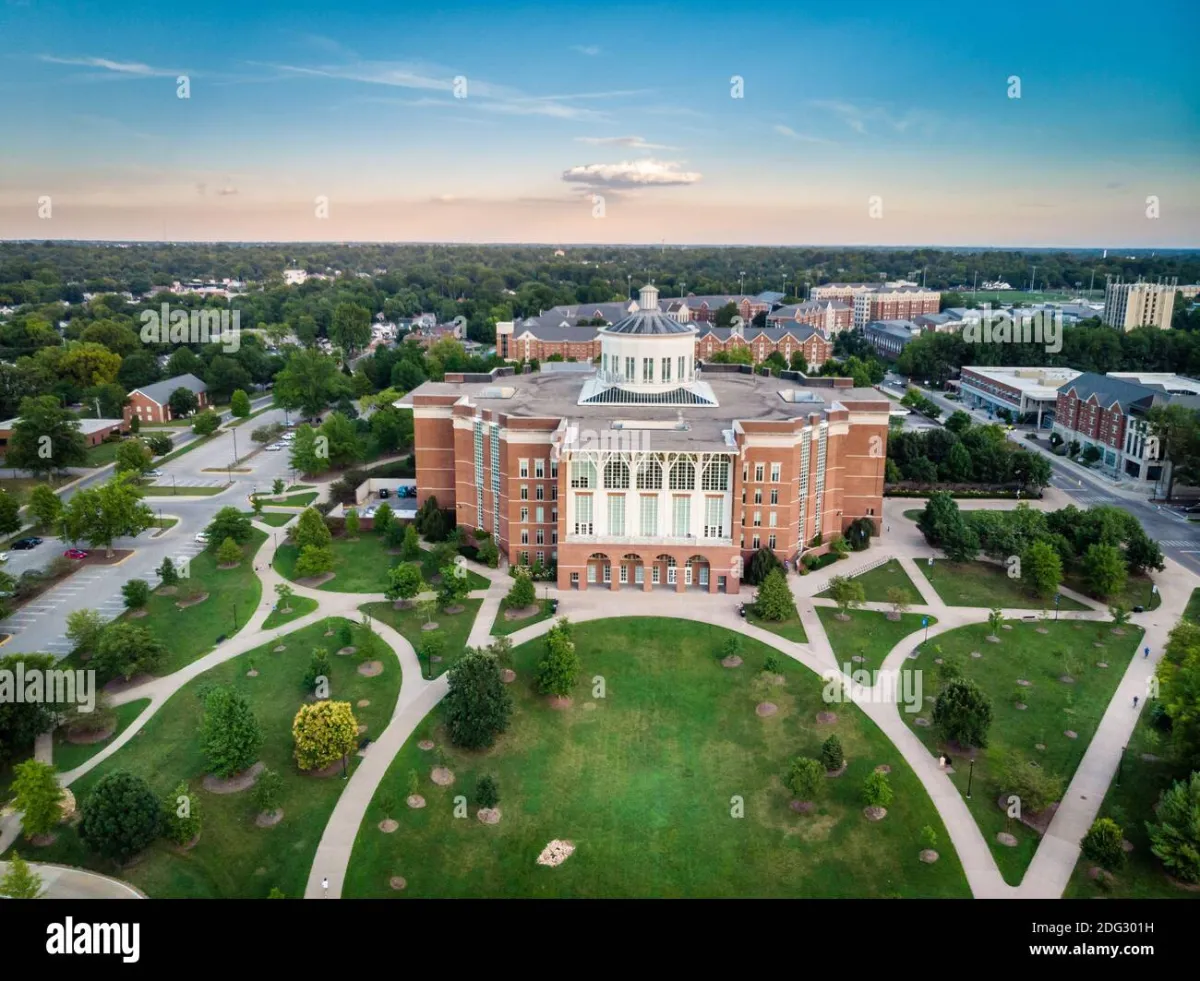 Photo: University of Kentucky, via c8.alamy.com
Her data informed regional prescribing guideline revisions. Her observations about the specific patterns of overprescription in underserved rural communities contributed to broader national conversations about antibiotic stewardship that eventually shaped federal health policy.
She never received a formal credential. Her name does not appear as a lead author on any published study. But the researchers who worked with her have been consistent, in academic papers and in public remarks, about the origin and value of what she contributed.
What Proximity Knows
Loretta Mae Combs is, by most formal measures, nobody the system would have chosen to trust with a public health finding of national significance. No degree. No affiliation. No funding. No methodology that would pass peer review in its raw form.
What she had was forty years inside a community, a refusal to dismiss what she was seeing, and the particular kind of stubbornness that keeps a person writing letters to people who don't write back.
The medical establishment eventually caught up to what she had been saying for nearly a decade. It usually does, when the evidence becomes impossible to ignore. The question that lingers — the one worth sitting with — is how many Loretta Mae Combses are out there right now, filling composition notebooks with patterns that credentialed institutions haven't thought to look for yet.
The people closest to a problem don't always have the loudest voice. But they're often the first ones who can actually see it.