Jazz Passport: The Performers America Sidelined Became the Diplomats Who Won the Cold War
Photo: Unknown (commercial matchbox manufacturer), Public domain, via Wikimedia Commons
There's a photograph taken in Accra in 1956 that doesn't get shown in many history textbooks. In it, Louis Armstrong is surrounded by hundreds of Ghanaian fans who have pressed so close that his handlers can barely keep pace. He's grinning. They're grinning. There are no interpreters, no talking points, no diplomatic cables. There is just music, and the particular kind of trust that music builds before a single word gets spoken.
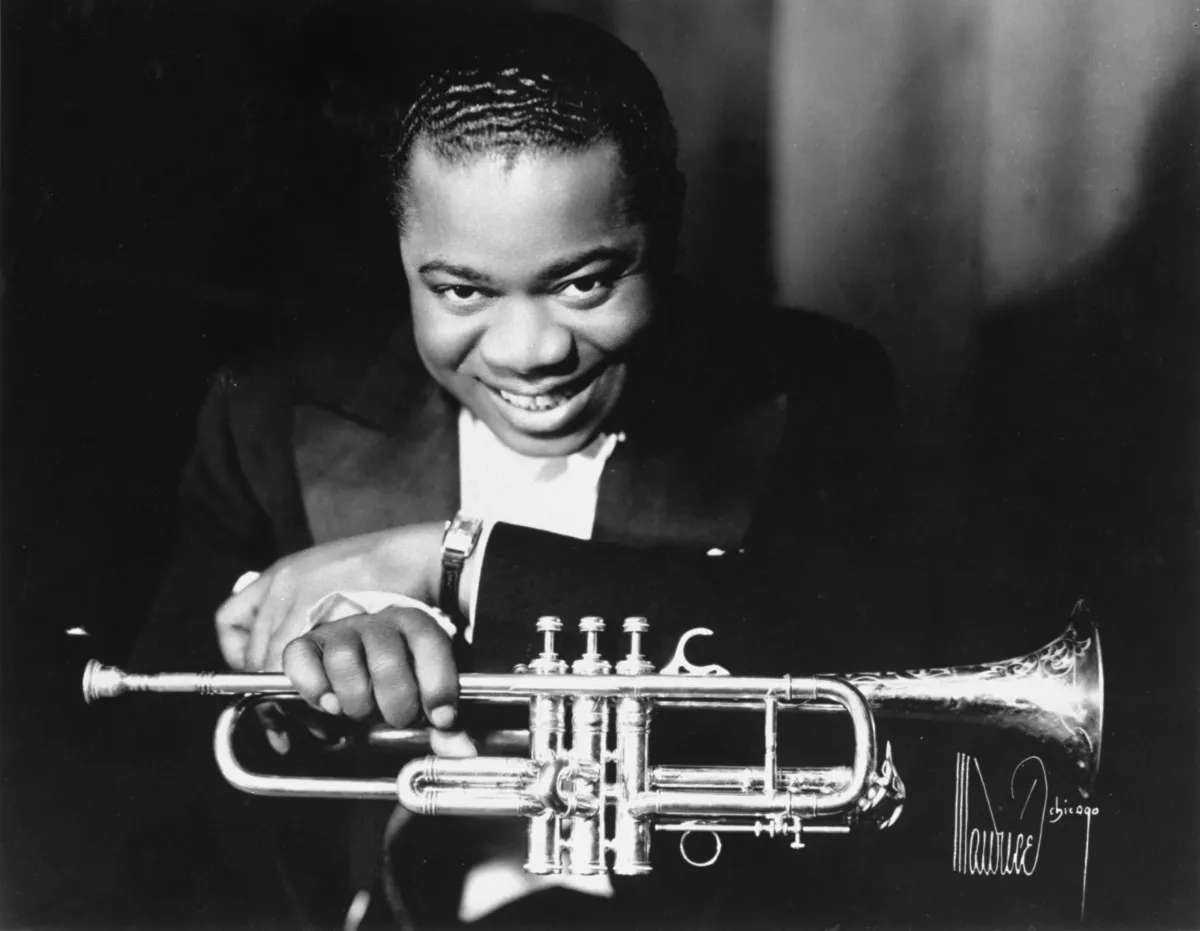 Photo: Louis Armstrong, via www.chicagotribune.com
The U.S. State Department, watching that trip and others like it, drew a quiet conclusion: some of the most effective American diplomacy of the Cold War era wasn't happening in embassies. It was happening on stages.
The Problem Nobody in Washington Wanted to Say Out Loud
By the early 1950s, the Soviet Union had found a rhetorical weapon that cut deep. American segregation — the lunch counter signs, the separate drinking fountains, the documented violence against Black citizens — was being broadcast to newly independent nations across Africa and Asia as proof that American democracy was a fraud. These were countries the U.S. desperately wanted as allies, and the Soviets were winning the argument without firing a shot.
The State Department's answer was, in retrospect, audacious to the point of absurdity. Rather than simply improving conditions at home (the slower, harder work), officials began organizing overseas tours for American artists — and specifically, for Black American artists whose very existence complicated the Soviet talking points. The program became known informally as Jazz Diplomacy, though it encompassed far more than jazz.
The thinking, articulated more clearly in hindsight than it ever was at the time, went something like this: send the people who have survived the worst of what America has done and still made something extraordinary. Let the world see what that looks like. Let them ask questions.
The Performers Who Said Yes
Not everyone agreed to go, and it's worth noting that some artists — Dizzy Gillespie among them — accepted the assignment while making clear they weren't going to pretend the country was something it wasn't. Gillespie, sent on a State Department tour of the Middle East, South Asia, and Eastern Europe in 1956, told journalists plainly that he had his own beef with the U.S. government and wasn't going to be a prop. He went anyway, because the music mattered and because reaching those audiences mattered, and he charmed entire cities while refusing to soften a single opinion.
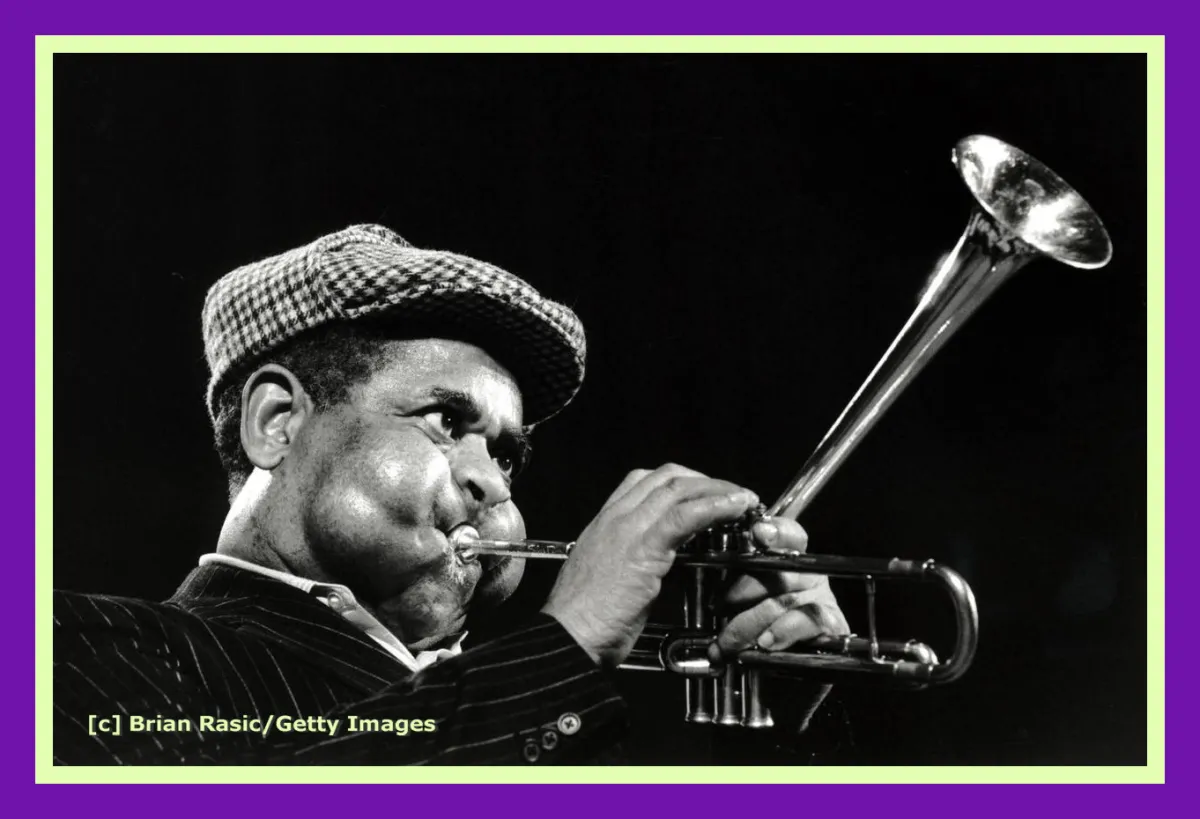 Photo: Dizzy Gillespie, via 4.bp.blogspot.com
That combination — honesty and artistry together — turned out to be more persuasive than any polished embassy talking point could have been.
Then there were the dancers. Tap performers, many of whom had spent decades playing venues that wouldn't serve them at the front door, suddenly found themselves on stages in Beirut, Lagos, Karachi, and Warsaw. Their stories were their own best argument: here is what it looks like when a country's most mistreated people still find a way to create something that stops a room cold.
Alvinia Cruise, a Harlem-born tap and theatrical performer who toured with several State Department-sponsored companies in the late 1950s, later described the experience with characteristic plainness. 'They wanted us to represent America,' she said in a 1979 interview. 'We represented ourselves. It just happened that ourselves was more interesting than what they had planned.'
What Official Diplomacy Couldn't Do
The gap between what an embassy could accomplish and what a performer could accomplish came down to something simple: people trust what moves them before they trust what argues with them.
In Dakar, in Damascus, in Kraków, audiences who had been primed by Soviet propaganda to view America with suspicion sat in darkened theaters and watched musicians improvise together — Black and white, sometimes, on the same stage, at a time when that was still illegal in parts of the United States. They watched tap dancers whose feet spoke a language that needed no translation. They heard jazz that was so distinctly, stubbornly American that it couldn't be co-opted or explained away.
The State Department's own internal reports from the period, declassified decades later, noted repeatedly that these tours generated more positive press coverage and more genuine goodwill than formal diplomatic visits. In some regions, the performers were the only Americans that ordinary citizens had ever encountered — and the impression they left was durable in a way that policy statements simply weren't.
The Irony That History Keeps Burying
It's worth sitting with what was actually happening here. The United States government was dispatching as its most persuasive representatives the very people its own legal system had spent generations suppressing. Artists who couldn't eat in certain restaurants, who had been denied housing, who had performed for white audiences who applauded from behind ropes that kept them separate — these were the people America chose to show the world what it stood for.
Some of them knew exactly what they were doing with that irony. Gillespie talked about it openly. Others simply performed, which was its own form of statement.
What none of them could have fully anticipated was the long reach of what they were building. The musicians and dancers who toured under the Jazz Diplomacy umbrella didn't just generate goodwill in the moment — they created lasting cultural connections that outlived the Cold War itself. Musicians in Eastern Europe who heard Ellington or Armstrong through those tours went on to build jazz scenes that survived communist suppression. Performers in West Africa who watched American tap dancers incorporated those influences into traditions that are still evolving today.
The Fringe Achievers the History Books Missed
American Cold War history tends to be told through presidents, generals, and spies. The diplomats who moved through it on sore feet and trumpet calluses rarely make the index.
But the evidence is there, in those declassified State Department cables, in the archived reviews from newspapers in Karachi and Warsaw, in the photographs of crowds that pressed close enough to touch. America's most effective Cold War diplomats often couldn't vote in parts of their own country when they boarded those planes. They went anyway. They played and danced and sang, and they changed minds in rooms that no official embassy could have entered.
That's not a footnote. That's the story.