Dismissed at the Chalkboard, Celebrated at the Canyon: The Fired Teacher Who Quietly Saved America's Wilderness
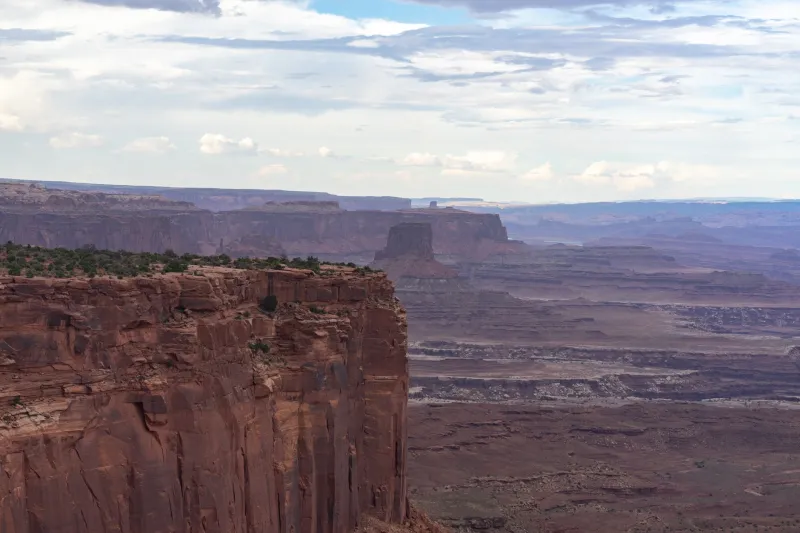
Dismissed at the Chalkboard, Celebrated at the Canyon: The Fired Teacher Who Quietly Saved America's Wilderness
Most Americans have stood at the rim of a national park and felt something wordless and enormous. Few know that the policy scaffolding holding those wild places together was sketched out by a man who lost his teaching job and had nowhere else to go. His name was never on the legislation, but his fingerprints are on every acre.
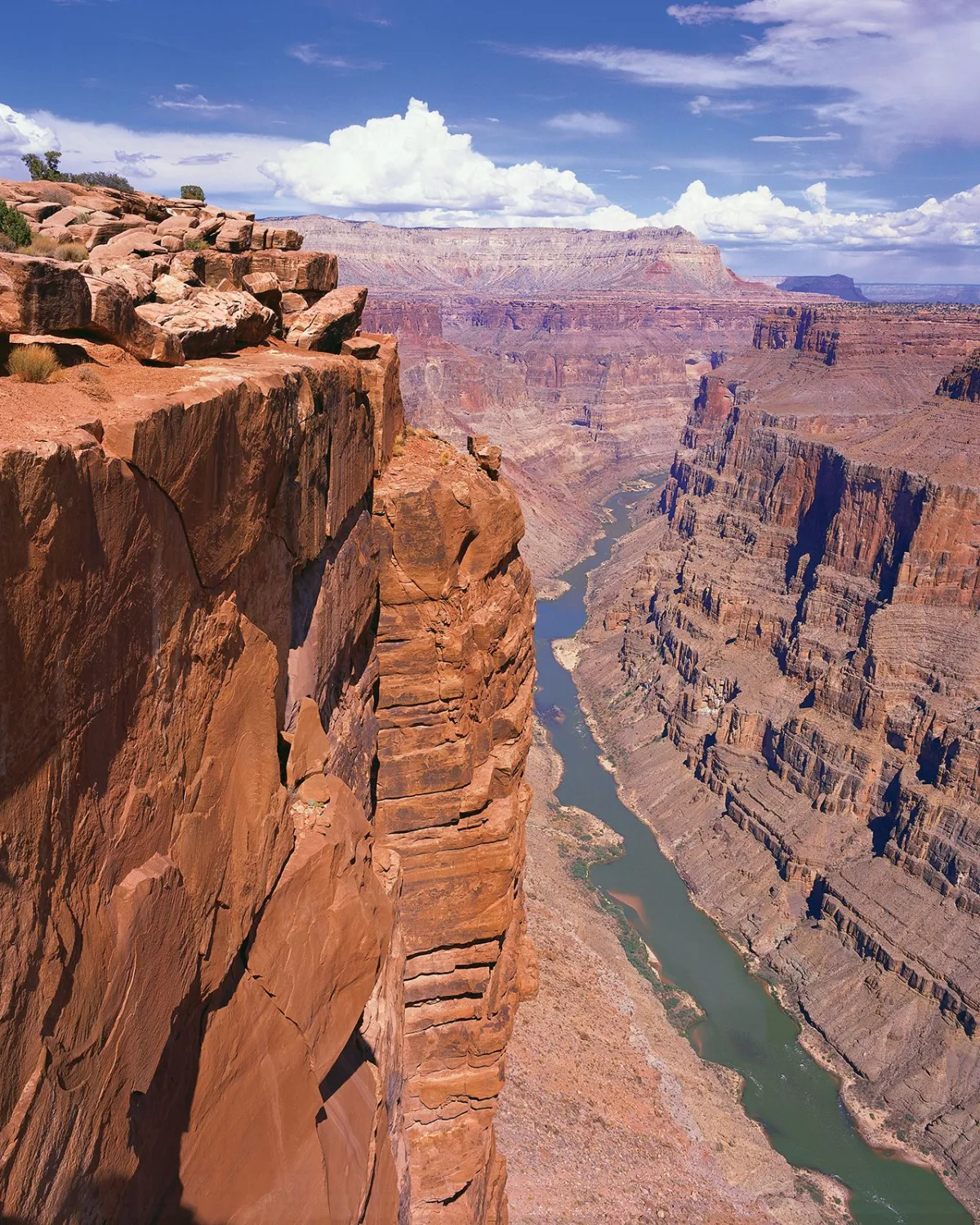 Photo: Grand Canyon, via cdn.britannica.com
The Day the Classroom Door Closed
In the early 1880s, Robert Sterling Yard was a schoolteacher in a mid-sized eastern town, the kind of man who graded papers with genuine enthusiasm and believed, perhaps too loudly, that education should make students uncomfortable with easy answers. That particular quality — a refusal to let things rest at good enough — did not endear him to every school administrator he encountered. After a dispute over curriculum that his principal characterized as insubordination and that Yard characterized as principle, he was let go.
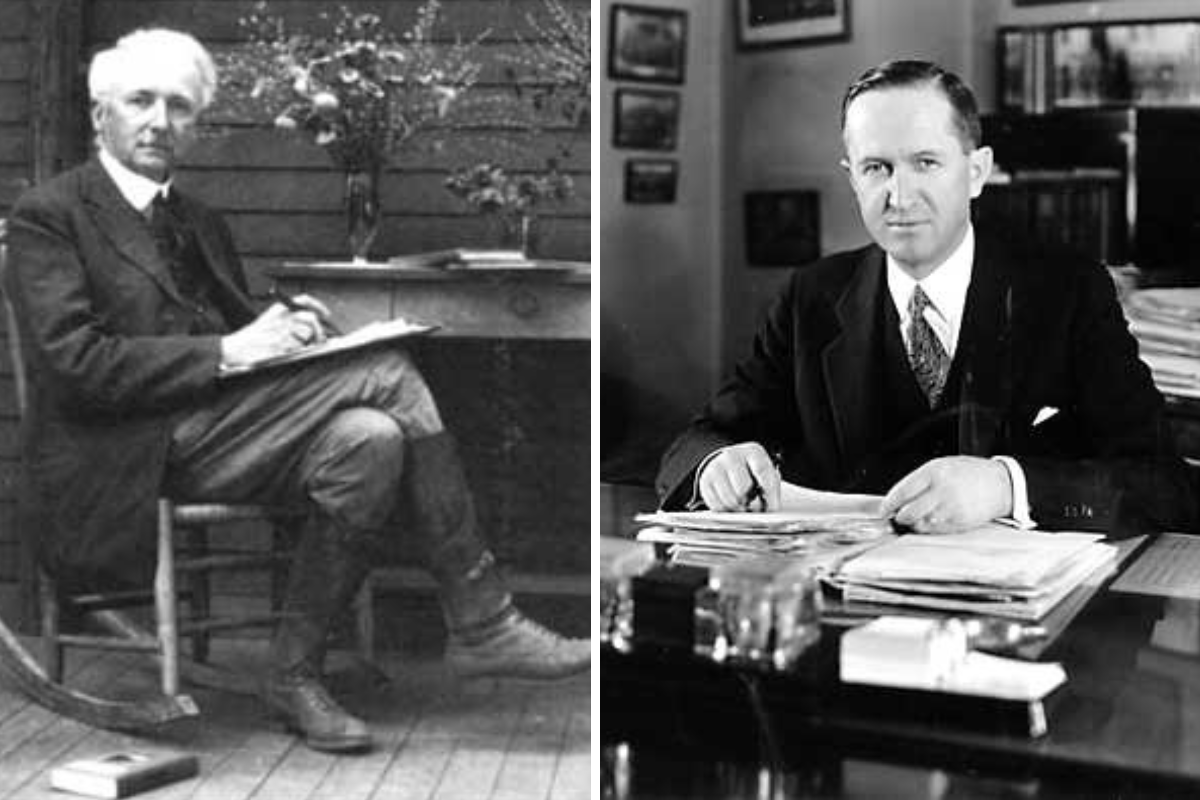 Photo: Robert Sterling Yard, via friendsofacadia.org
It was the kind of professional humiliation that lands differently depending on who you are. For some people, it's a detour. For Yard, it was, eventually, a demolition — and then a foundation.
He spent the next several years drifting between journalism jobs, editing stints, and the kind of freelance writing work that paid just enough to keep a man from giving up. He was good at it. He was precise, passionate, and had a gift for making readers feel that the subject at hand mattered more than they had previously understood. But he was not, by any obvious measure, building toward anything consequential.
The Wilderness Finds Its Spokesman
The turn came through a connection that most historians of conservation have underplayed. Yard crossed paths with Stephen Mather, a borax magnate who had been appointed by the Department of the Interior to organize what would become the National Park Service. Mather was a visionary with a checkbook and a temperament that needed a counterweight — someone who could translate raw enthusiasm into durable policy language and public persuasion.
Yard, who had been covering the American West for a handful of publications and had developed a near-evangelical relationship with the landscape, was hired as Mather's publicity director. It was, on paper, a communications role. In practice, it became something far more structural.
What Yard brought to that job was not just writing skill. It was the obsessive precision of a man who had spent years teaching others how to think carefully, combined with the hunger of someone who had been told his instincts were wrong and was determined to prove otherwise. He did not simply write brochures about scenic vistas. He wrote the intellectual argument for why the federal government had a moral obligation to protect wild land permanently, why commercial interests could not be trusted to steward what belonged to everyone, and why the American public deserved access to landscapes that money could not buy.
Building the Framework Nobody Else Thought to Build
The National Park Service Organic Act of 1916 is the legal bedrock of American conservation. It established the guiding principle that parks must be preserved "unimpaired for the enjoyment of future generations" — language that still governs every decision made inside park boundaries today. The legislative drafting involved lawyers, politicians, and cabinet officials. But the conceptual architecture, the public case for why such a law was necessary and what it needed to say, ran in large part through Yard.
He founded the National Parks Association in 1919, a nonprofit watchdog organization designed to hold the government accountable to the very principles the Organic Act had established. This was not a comfortable position. It put him at odds with developers, railroad interests, and occasionally the very agency he had helped build. He didn't seem to mind. The man who had once argued with his principal about what students deserved to learn was now arguing with Congress about what Americans deserved to keep.
He fought against commercial development inside park boundaries at a time when the prevailing political wind favored accommodation. He pushed back against proposals to dam rivers that ran through protected land. He was, by the standards of his era, relentless in a way that made him difficult to work with and impossible to dismiss.
The Legacy Without a Monument
Yard died in 1945, largely unknown outside conservation circles. He never had a park named after him. His face is not on any visitor center wall. Most Americans who spend a long weekend at Yellowstone or hike into the backcountry of the Smokies have no reason to know his name.
But the concept that those places belong to everyone, that they cannot be sold or stripped or quietly handed over to private interests, that the government must actively defend their integrity rather than simply manage their traffic — that concept has Yard's particular stubbornness running through it like a seam of granite.
There is something worth sitting with in the shape of his story. The firing that ended his teaching career did not make him a conservationist. But it made him someone with nothing left to lose and everything left to prove. It gave him the particular freedom of the professionally humiliated: the freedom to care about something so completely that compromise starts to feel like a personal insult.
America's wild places survived in part because a schoolteacher once got fired for caring too much about the right things. That's not a footnote. That's the whole story.