What Everyone Called Their Fatal Flaw Became Their Fortune: Six Americans Who Turned Shame Into Success

The Reverse Psychology of Success
Sometimes the thing that makes you different isn't a bug—it's a feature. These six Americans discovered that the personal traits everyone told them to hide, fix, or overcome actually became their most powerful competitive advantages. Their stories prove that authenticity isn't just feel-good advice; sometimes it's the smartest business strategy.
1. The Stutter That Sold a Million Cars
Joe Girard was supposed to be the world's worst car salesman. Born in Detroit to immigrant parents, he had a severe stutter that made simple conversations painful. Every sales manager who interviewed him in the 1960s told him the same thing: fix the speech problem, or find another career.
 Photo: Joe Girard, via alchetron.com
Instead, Girard turned his stutter into his signature sales technique. He discovered that when he slowed down to manage his speech, customers felt less pressured. His careful, deliberate way of speaking made people feel heard rather than hustled. The pauses that embarrassed him gave customers time to think and trust.
By 1973, Girard was selling more cars than anyone else in America—1,425 vehicles in a single year, a record that still stands. His "defect" had become his differentiation. While other salespeople talked fast and pushed hard, Girard's stutter forced him to listen more and speak with unusual intentionality. Customers felt the difference.
"People don't buy from salespeople," Girard later explained. "They buy from people they trust. And they trust people who seem real."
2. The Accent That Built a Media Empire
Christiane Amanpour arrived at CNN in 1983 with everything working against her: she was a woman in a male-dominated field, she was foreign-born, and her British-Iranian accent was so pronounced that executives worried American audiences wouldn't take her seriously. Multiple supervisors suggested she work with a voice coach to "sound more American."
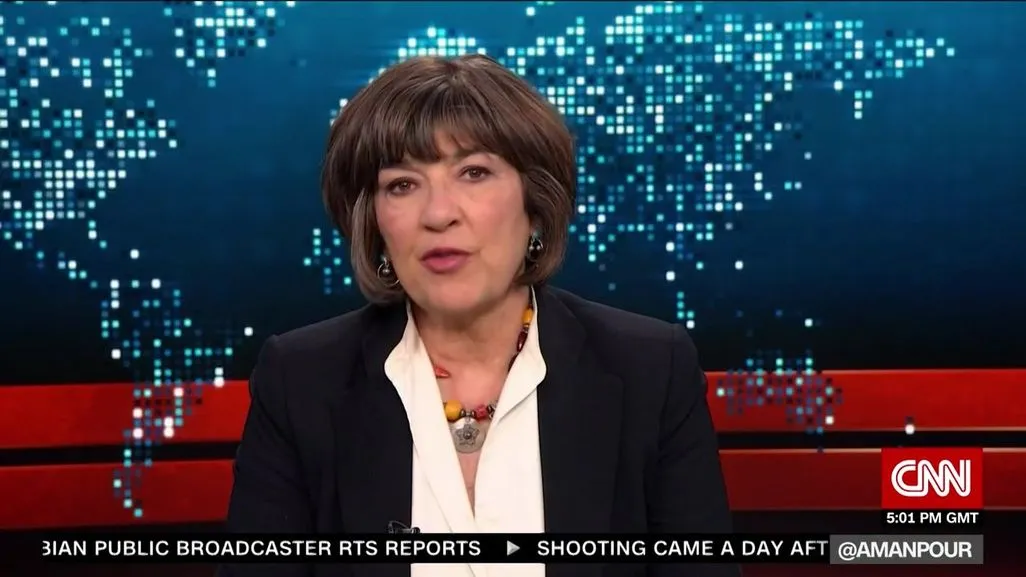 Photo: Christiane Amanpour, via www.tvnewsroom.co.uk
Amanpour refused. Instead of hiding her international background, she leveraged it. Her accent became a signal of global credibility. When she reported from war zones and international hotspots, viewers didn't hear a foreign voice—they heard authenticity from someone who understood the complexity of global affairs.
Her distinctive delivery became CNN's brand for serious international journalism. The accent that was supposed to limit her American appeal actually expanded it, making her the network's most recognizable international correspondent and eventually its chief international anchor.
3. The "Wrong" Background That Revolutionized Fashion
Daymond John grew up in Queens with a single mother, working in Red Lobster while dreaming of something bigger. When he started making tie-top hats and selling them on the street in the early 1990s, fashion industry insiders told him he had everything wrong: wrong neighborhood, wrong education, wrong connections.
John realized that his "wrong" background was actually perfect for understanding a market that traditional fashion companies couldn't see. His street credibility in Queens translated to authentic connections with hip-hop culture just as it was becoming a dominant force in American fashion.
FUBU ("For Us, By Us") became a $350 million empire precisely because John didn't try to fit into the existing fashion industry. His outsider status wasn't a barrier—it was his brand. He understood his customers because he was his customer.
4. The "Inappropriate" Humor That Built a Comedy Kingdom
Joan Rivers was told repeatedly throughout the 1960s that her comedy was too harsh, too personal, too mean for a woman performer. Comedy club managers and television producers insisted that female comedians should be warm and self-deprecating, not sharp and observational.
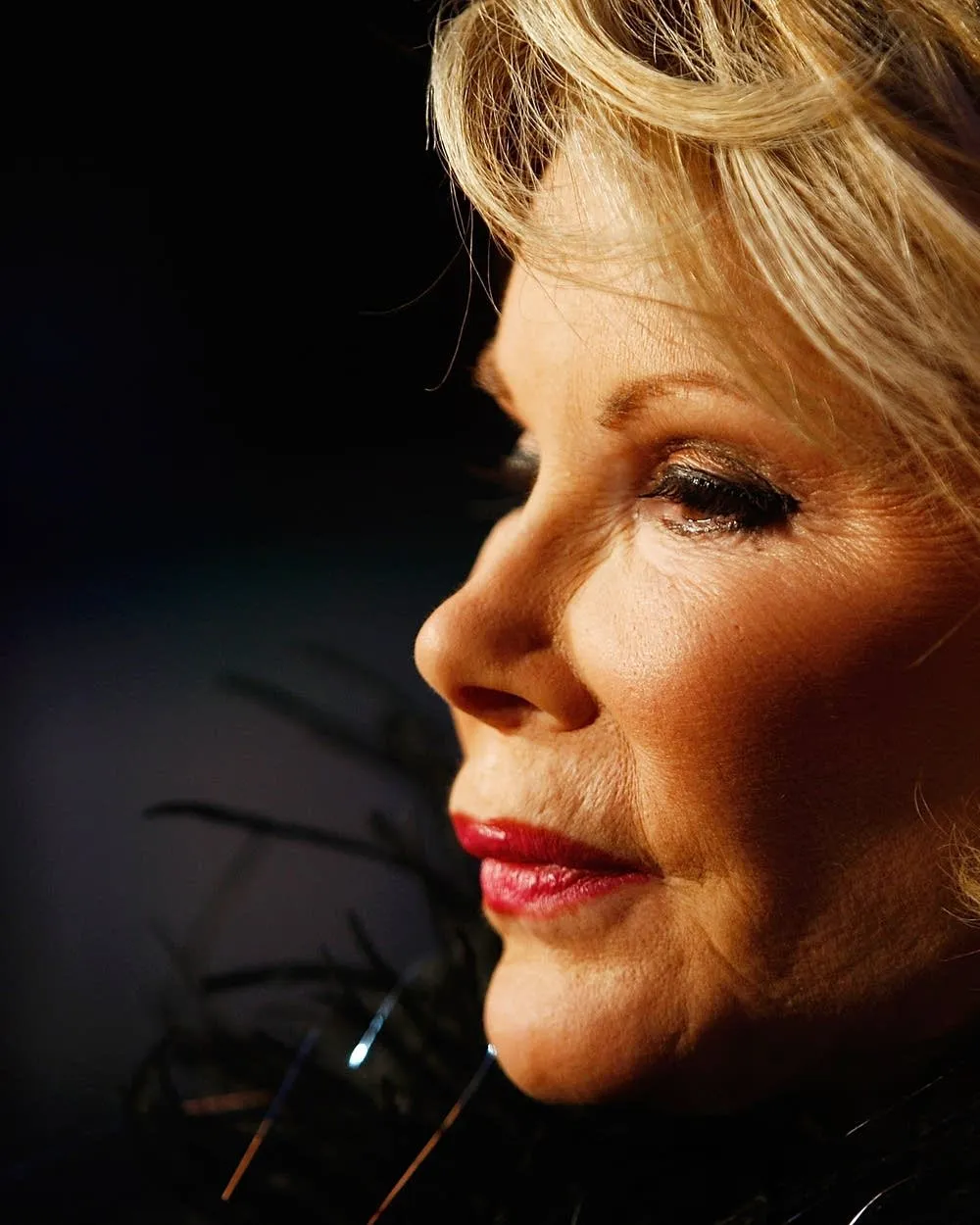 Photo: Joan Rivers, via img.apmcdn.org
Rivers doubled down on exactly what made people uncomfortable. Her willingness to say what others wouldn't became her trademark. While other female performers played it safe, Rivers built her career on being dangerously honest about everything from celebrity culture to her own insecurities.
Her "inappropriate" style revolutionized comedy and entertainment journalism. The edge that was supposed to limit her appeal actually created a new category of performer—the fearless truth-teller who could get away with saying anything because her honesty was so complete.
5. The "Unprofessional" Passion That Transformed Sports Broadcasting
John Madden was considered too emotional for television when he started broadcasting NFL games in 1979. His obvious love for football, his tendency to get excited about seemingly minor plays, and his folksy explanations were deemed unprofessional by network executives who preferred the detached, authoritative style of traditional sportscasters.
Madden's enthusiasm became the new standard for sports broadcasting. His genuine excitement was infectious, making football accessible to casual fans while deepening the experience for serious followers. His "unprofessional" passion actually made him more professional than anyone else in the booth.
His broadcasting style influenced an entire generation of sportscasters and helped make NFL football America's most popular television programming.
6. The "Unmarketable" Story That Built a Publishing Empire
Tyler Perry was told by every entertainment industry professional he encountered that his background was unmarketable: too Southern, too religious, too specific to African American church culture to have broad appeal.
Perry built his empire around exactly those "limitations." Instead of trying to appeal to everyone, he focused intensely on serving an audience that mainstream entertainment had ignored. His Madea character and faith-based storytelling created a new category of entertainment that generated over $1 billion in revenue.
His "unmarketable" specificity actually created a more powerful market than generic broad appeal ever could have.
The Pattern Behind the Success
What united these six figures wasn't their specific traits—it was their willingness to lean into what made them different rather than trying to sand off their rough edges. They discovered that authenticity creates trust, and trust creates loyalty that no amount of polish can match.
In each case, the trait that was supposed to be a career killer became a career maker. Their "flaws" weren't obstacles to overcome—they were advantages to exploit.
The lesson isn't that all differences are strengths, but that the right difference, fully embraced, can become an unbeatable competitive advantage. Sometimes the thing that makes you weird is the thing that makes you wonderful—and profitable.
In a world of increasing sameness, being genuinely different isn't a liability. It's the most valuable asset you can have.